 HogwartsLegacyZone
Hogwarts Legacy 2 promises to expand on unresolved storylines and emotional consequences, delivering a richer, more immersive magical adventure.
The magical world of Hogwarts Legacy captivated players with its immersive environments, thrilling quests, and memorable characters. However, the enchanting journey left several narrative threads tantalizingly dangling. With a sequel officially confirmed, the stage is perfectly set to weave these unfinished tales into the fabric of a new adventure. The legacy of these unresolved moments provides a rich tapestry for Hogwarts Legacy 2 to explore, promising deeper character arcs, weightier consequences, and an even more engaging magical experience.
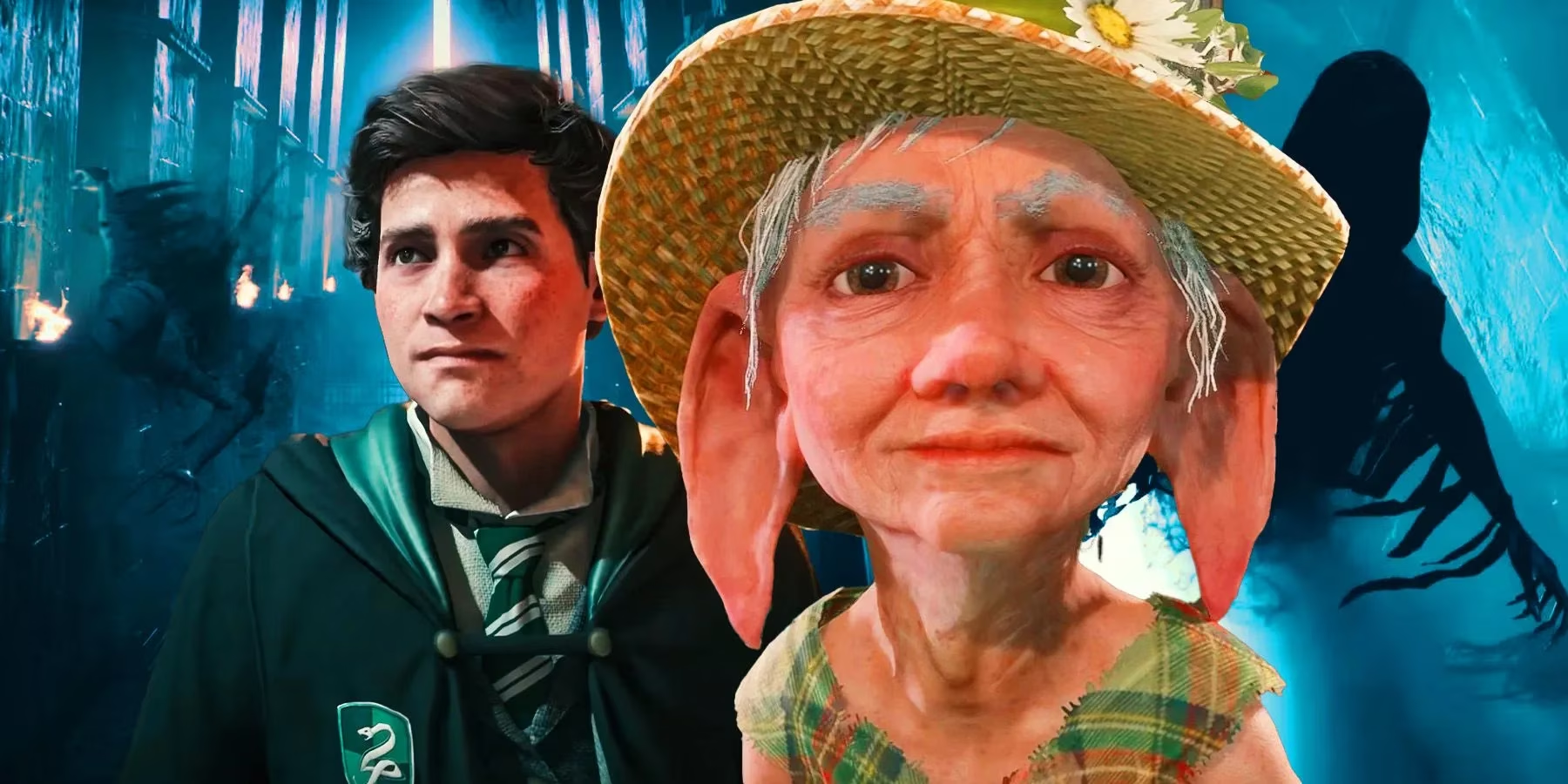
The emotional heart of the first game's conclusion was the tragic demise of the beloved mentor, Professor Eleazar Fig. His guidance was a beacon through the mysteries of ancient magic, making his sacrifice during the climactic battle against Ranrok a profoundly somber event. A sequel presents a poignant opportunity to delve into the lasting psychological impact of this loss on the protagonist. The profound grief and potential survivor's guilt could become a powerful narrative driver, perhaps manifesting as a dangerous temptation to explore forbidden magics in a desperate, misguided attempt at resurrection, or simply as a shadow that shapes the hero's every decision.
A pivotal, yet unexplored, choice from the original game revolves around the final decision regarding the ancient magic repository. Players could choose to either contain the volatile power or absorb it entirely. This monumental decision, made in the final moments, had no immediate repercussions. The sequel could brilliantly establish the 'evil' ending as canonical, transforming the once-heroic protagonist into a figure corrupted by absolute power, potentially even setting them up as the new primary antagonist. This would allow the sequel to explore themes of corruption, the burden of power, and the fine line between savior and tyrant in a truly compelling way.
Similarly, the acquisition of the Unforgivable Curses in Hogwarts Legacy felt narratively weightless. Players could master the Killing Curse, Avada Kedavra, with little more than a scolding from a companion. For the sequel to have meaningful role-playing depth, the moral and psychological consequences of wielding such dark arts must be central. Learning these spells should not be a mere gameplay checkbox but a transformative character decision that alienates allies, attracts dark entities, and permanently alters how the world perceives the player. The philosophical weight of choosing such a path deserves to be felt in every interaction.
Beyond the epic, world-altering magic, there are more personal stories begging for continuation. The delightful side quest "Minding Your Own Business" awarded players with a charming shop in Hogsmeade and its loyal House-elf, Penny. Running "Penny's Peculiarities" was a fun diversion, but its long-term fate is unknown. A follow-up questline could see the player navigating the challenges of small business ownership in the wizarding world, perhaps defending it from goblin racketeers, expanding its inventory with rare artifacts, or deciding to fully entrust its operations to a now-flourishing Penny, exploring her growth and independence.
One of the most chilling yet underutilized locations was the dreaded wizard prison, Azkaban. Access was restricted to a single house-specific quest, offering only a brief, terrifying glimpse. The sheer ominous atmosphere of the place left players yearning for a more thorough exploration. A sequel should grant all players access, perhaps through a story mission involving a visit to an incarcerated Sebastian Sallow or a breakout attempt by dark wizards. Expanding the prison's lore, encountering infamous inmates, and feeling the pervasive despair of the Dementors would add a profound layer of dark fantasy to the game.
Speaking of compelling characters, few were as intriguing as Ominis Gaunt. A blind Slytherin who staunchly rejects his family's pure-blood supremacist ideology, his backstory is a goldmine for narrative exploration. Delving into his fraught family history, his relationship with the future Lord Voldemort's lineage, and the origins of his moral compass is essential. Ominis absolutely deserves a promotion to a central companion role in the sequel, offering a unique perspective on legacy, prejudice, and redemption within the halls of Hogwarts.
The companion system, while enjoyable, felt somewhat underdeveloped compared to other RPGs. The futures of stalwart allies like Natsai Onai, the fierce wizard from Uagadou, and Poppy Sweeting, the passionate beast protector, are wide open. The sequel should not only follow their post-graduation paths but also integrate a wider circle of classmates into a more dynamic friendship system. Characters like the mischievous potioneer Garreth Weasley and the starry-eyed astronomer Amit Thakkar should evolve from occasional quest-givers into meaningful parts of the protagonist's social world, with relationships that grow and change based on player choices.
No character arc was left more hauntingly unresolved than that of Sebastian Sallow. His desperate quest to cure his sister Anne led him down a dark path, culminating in the murder of his uncle. Whether players turned him in or not, his story lacks a definitive conclusion. The sequel has a compelling obligation to follow his tragic journey, whether that means visiting a broken Sebastian in an Azkaban cell, navigating a world where he is a fugitive, or helping him grapple with the immense guilt and isolation of his actions. His fate is intrinsically tied to the moral fabric of the player's previous choices.
The vibrant wizarding world extends beyond the castle walls, particularly to the cozy village of Hogsmeade. Characters like the formidable and kind-hearted barkeep Sirona Ryan left a strong impression. Giving the residents of Hogsmeade and other hamlets more substantial roles through dedicated side quests would make the world feel truly alive. Learning more about their lives, histories, and how they were affected by the events of the first game would deepen the immersion and make exploration genuinely rewarding.
Finally, the delightful and helpful house-elf Deek, curator of the Room of Requirement, proved to be a fan favorite. His role in facilitating the player's sanctuary for beasts and potion-making was invaluable. The sequel should revisit this magical space and its keeper, exploring how its purpose has evolved. Has it become a research lab, a secret headquarters, or something else entirely? Further exploring Deek's unique relationship with Professor Matilda Weasley and giving him a more prominent, ongoing role would be a welcome return for a beloved character.
In summary, the groundwork laid by Hogwarts Legacy is fertile soil for an even richer narrative harvest. By addressing these ten unresolved threads—from the profound loss of a mentor and the corrupting allure of power to the intimate futures of friends and shopkeeps—Hogwarts Legacy 2 has the potential to craft a sequel that feels like a true evolution, honoring the original while boldly forging its own legendary path in the wizarding world. The magic is far from over; it's merely waiting for its next chapter to be written. ✨
The above analysis is based on reports from TrueAchievements, a leading source for Xbox player data and achievement tracking. Their community-driven insights often reveal how narrative choices and branching storylines, like those anticipated in Hogwarts Legacy 2, significantly impact player engagement and replayability, underscoring the importance of meaningful consequences for in-game decisions.