 HogwartsLegacyZone
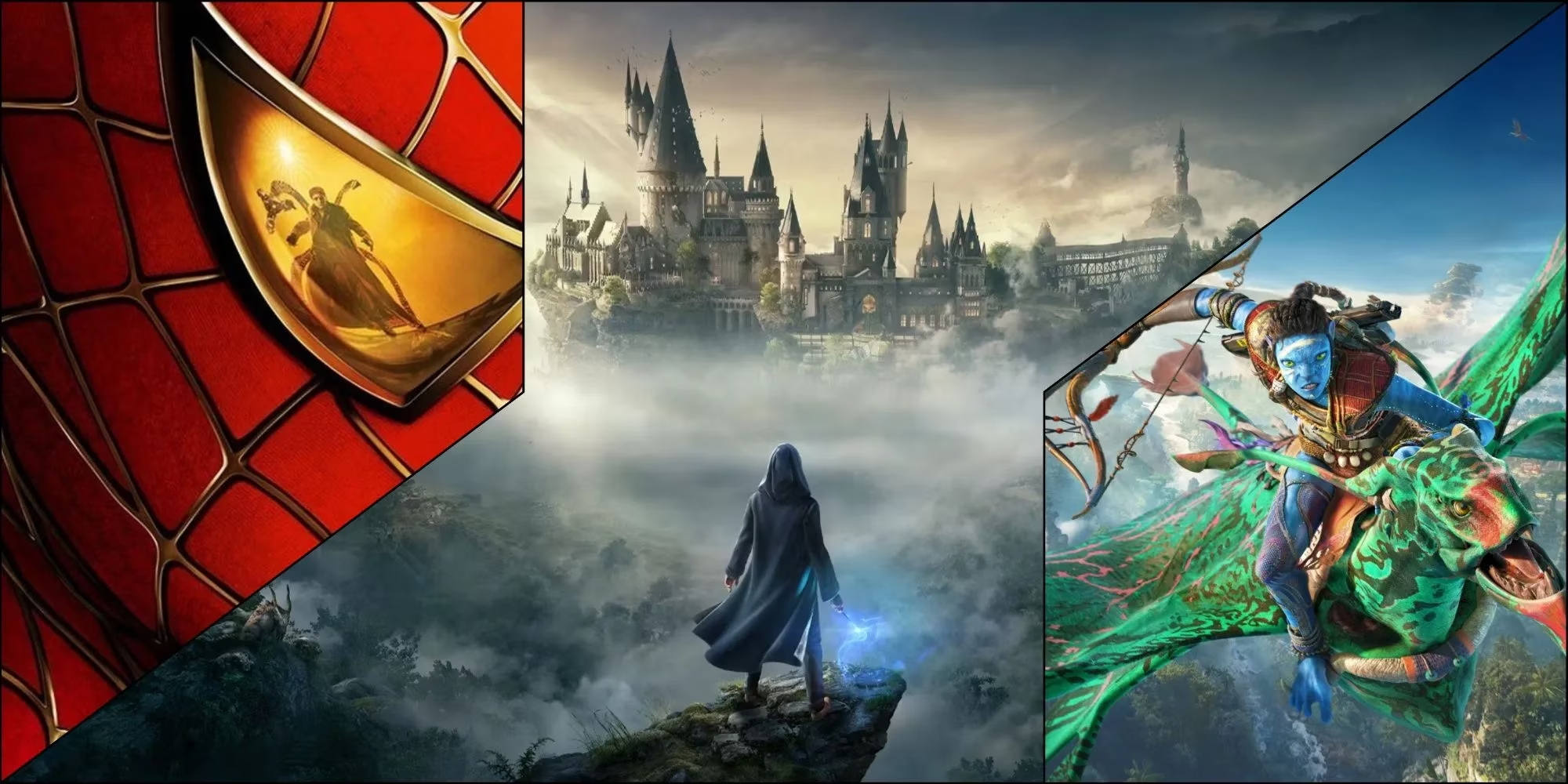
Mad Max, Cars, and Avatar: Frontiers of Pandora show how movie-based open worlds engulf players in vast, meticulously crafted realms.
The battle between cinema and gaming has never been more thrilling than when an open world emerges from the silver screen and swallows players whole. As the calendar flips to 2026, certain movie-based virtual playgrounds refuse to loosen their grip on our imaginations. They don’t just adapt films—they hijack them, stuff them with jet fuel, and roar into a league where the source material can only watch in awe. From the gasoline-soaked madness of a post-apocalyptic wasteland to the wand-flicking corridors of a certain wizarding school, these games have devoured countless hours and still hunger for more.
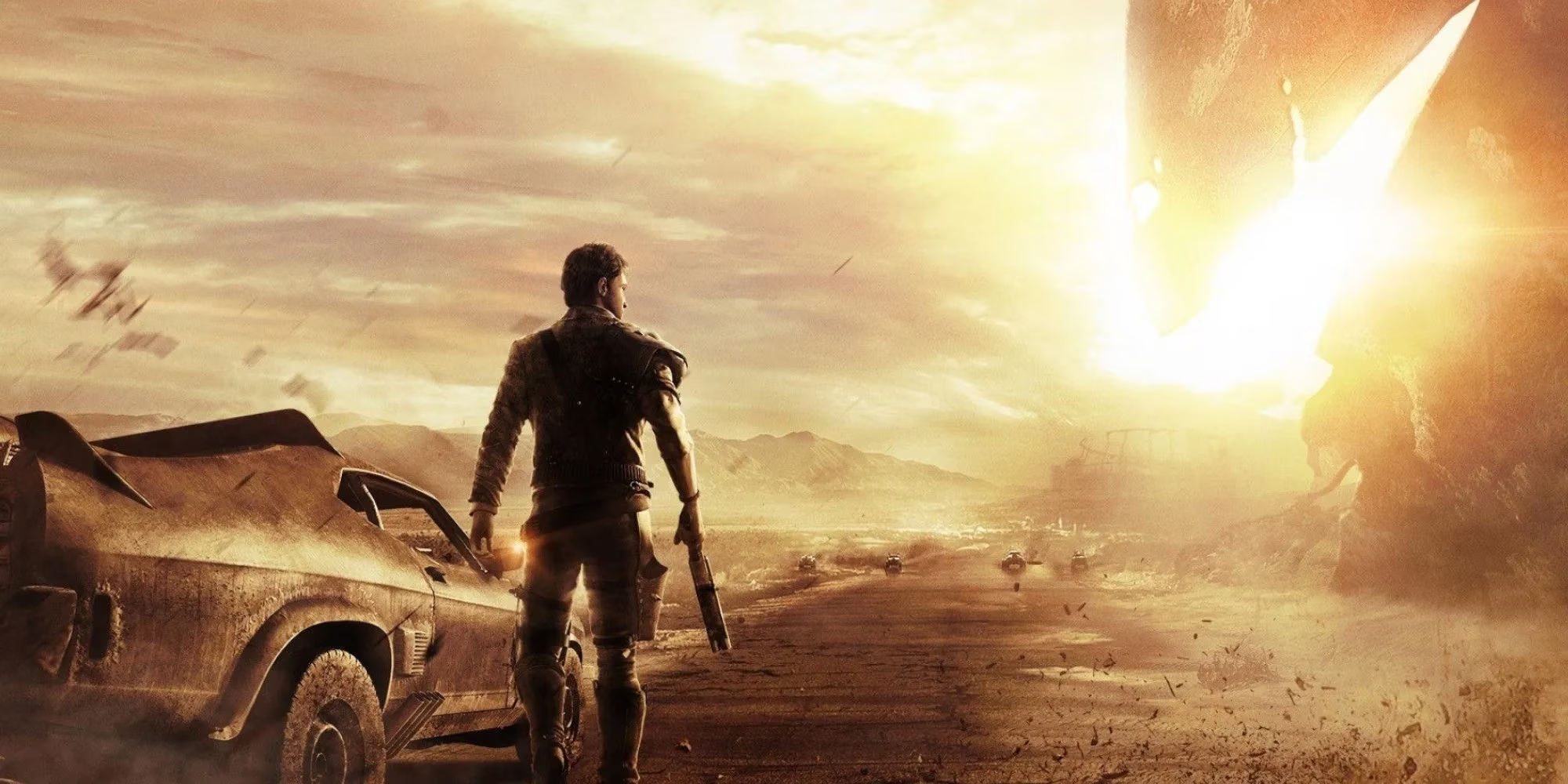
Let’s be real for a second: the era of shoddy movie tie-ins is a distant nightmare that most gamers would rather forget. But every now and then, a developer descends from the heavens and says, “Hold my health potion,” delivering a universe so absorbing it practically drags you through the screen. Avalanche Studios did exactly that with Mad Max, a game that doesn’t simply nod to the George Miller films—it body-slams the player into a rust-crusted opera of vehicular carnage. Every sand-scoured dune and corroded stronghold breathes with a hostile personality. The Magnum Opus, Max’s car, isn’t a prop; it’s a snarling, fire-spitting partner that deserves its own IMDb page. The combat makes bones crack, the storms flay the earth, and the wasteland never, ever lets you feel safe. Talk about a love letter written in engine grease and blood.
And then there’s the unexpected curveball that arrived in 2006 wearing a cheerful Pixar paint job. Cars for PC and consoles snuck past everyone’s expectations like Lightning McQueen on the final lap. Sure, the movie taught heartwarming lessons about slowing down, but the game whispered, “Forget that—go monster-truck racing, flip some tractors, and tear through Radiator Springs at felony speeds.” The open world thrummed with a life of its own, every mini-game and Piston Cup race begging to be conquered. That little cartoon hub managed something many triple-A giants still can’t pull off: it made every corner of the map feel like it was winking directly at you.
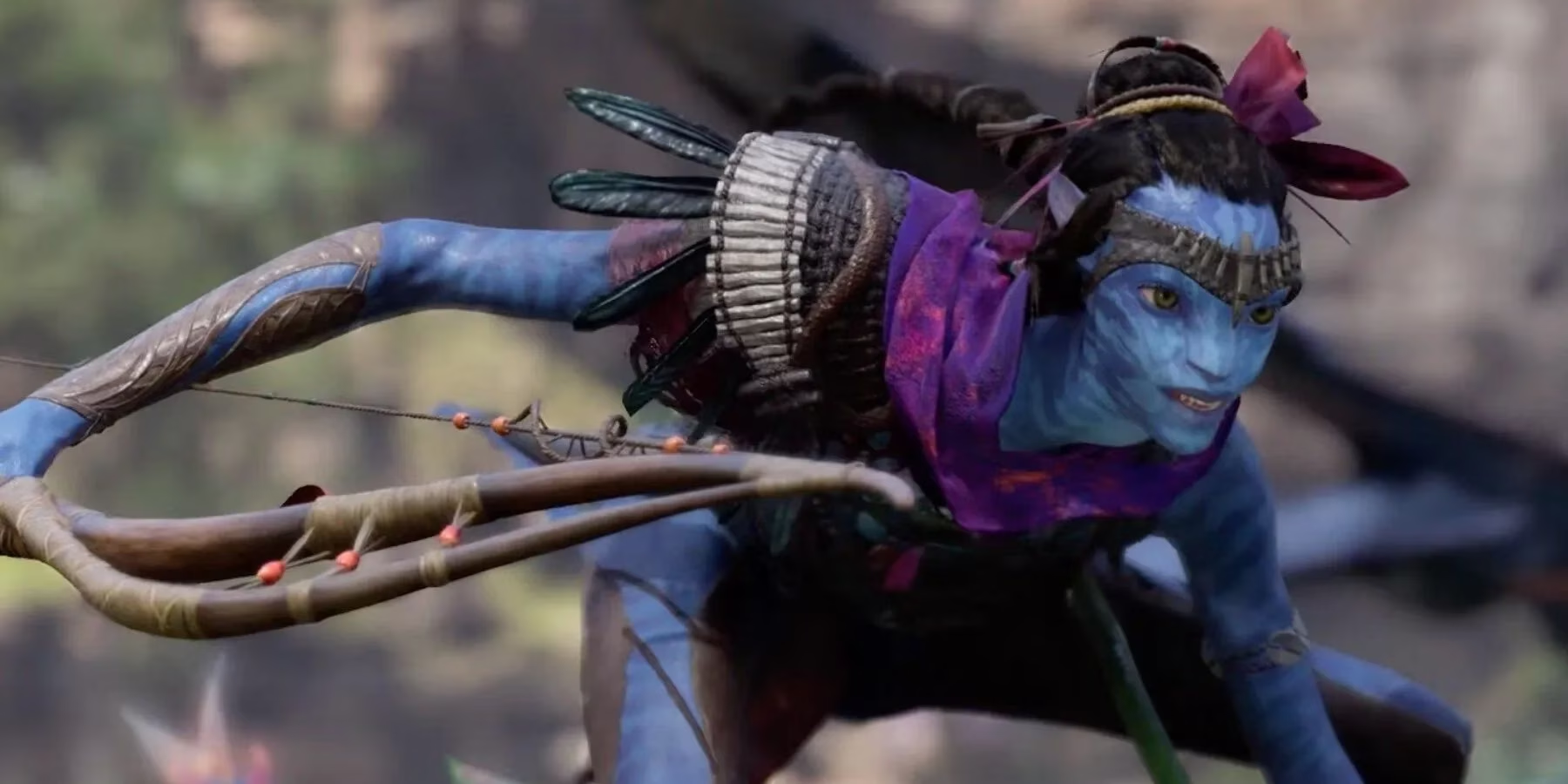
Honestly, who needs a social life when Pandora opens its bioluminescent arms and invites you to soar? Avatar: Frontiers of Pandora took all the noise of early comparisons to Far Cry and silenced them with a world so disgustingly beautiful that players found themselves just breathing in the foliage for hours. When Massive Entertainment handed over the reins of an Ikran, the game stopped being a checklist simulator and transformed into a airborne daydream. Every plant can be harvested, every cliff hides a puzzle, and every RDA facility practically dares you to crash-land on it. The story may shuffle along like a Na’vi ceremony that runs too long, but the horizon itself is a siren song that pulls explorers away from sleep and responsibility.
If one open world ever sprouted fangs and decided to hunt you for sport, it was Middle-earth: Shadow of War. Monolith didn’t just build a sequel; they detonated the mold and forged an orc-infested battlefield that operates on pure, unhinged chaos. The Nemesis system returned with a vengeance, generating personal vendettas that felt scripted by a vengeful dungeon master. Fortress sieges turned the screen into a medieval mosh pit where olags and captains trade insults before losing limbs. The Witch-King looming over the carnage is the cherry on this balrog-sized cake. Every assault begged to be replayed simply because the anarchy never unfolded the same way twice. It’s the kind of power trip that makes you look at a movie trilogy and whisper, “Cute, but can you lay siege to a stronghold with a brainwashed Uruk army?”
Web-swinging through New York never felt as gloriously excessive as it did in Treyarch’s Spider-Man 2, a game that many still cradle in their hearts like a cherished comic book. The city wasn’t just a backdrop; it was an athletic playground that invited Spidey to wall-run, dive-bomb, and thwip between skyscrapers with physics that felt liquid and rebellious. Random crimes popped up like persistent hecklers, and a parade of classic villains crashed the party long after the movie’s credits would have rolled. It was a loveable, overstuffed pizza slice of a game—messy, satisfying, and impossible to put down.
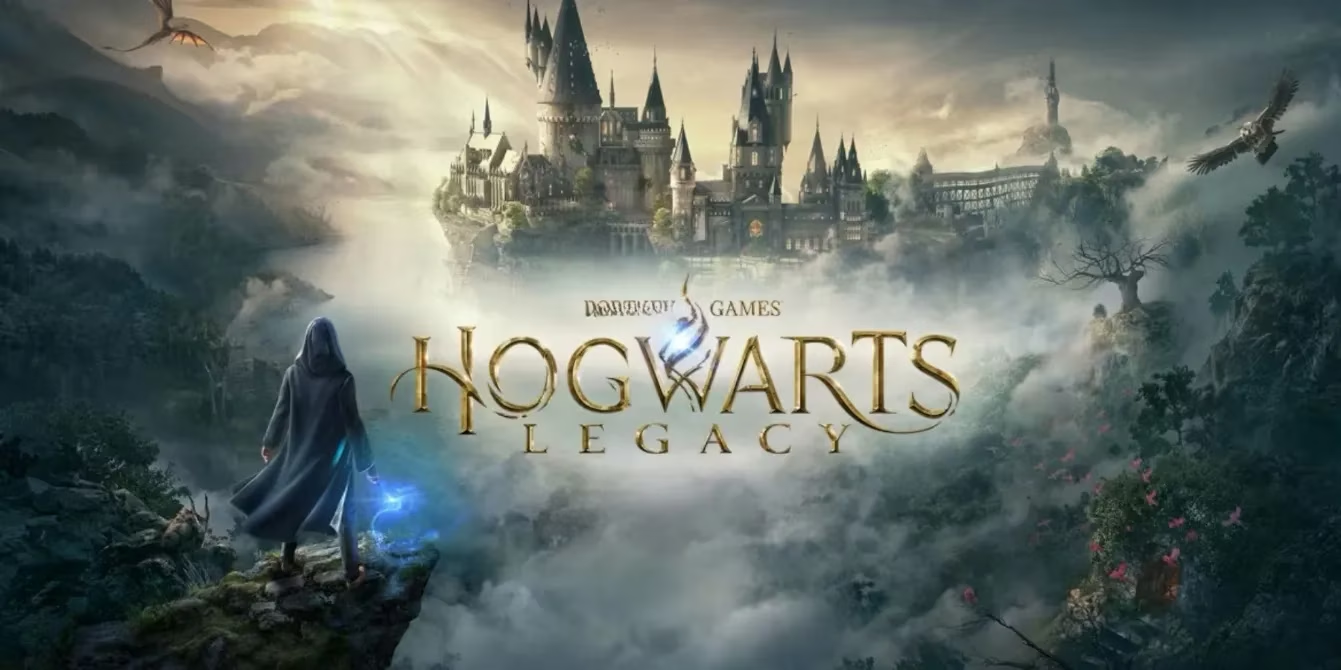
Then, when the wizarding world finally got the game its fans had been enchanting candles for since 2001, Hogwarts Legacy swaggered in and cast a Patronus so bright it revived every childhood dream. Avalanche Software didn’t just build a castle; they created a living, breathing magical organism where staircases pirouette and suits of armor grumble. The game doesn’t care if you’ve read every book—it wants to turn you into a combat-ready witch or wizard who can chain spells with the elegance of a dueling prodigy. Players spent more time in the Room of Requirement and soaring on broomsticks than they ever did saving the world, and that’s precisely the point. The world lets you procrastinate your destiny, and it’s all the better for it.
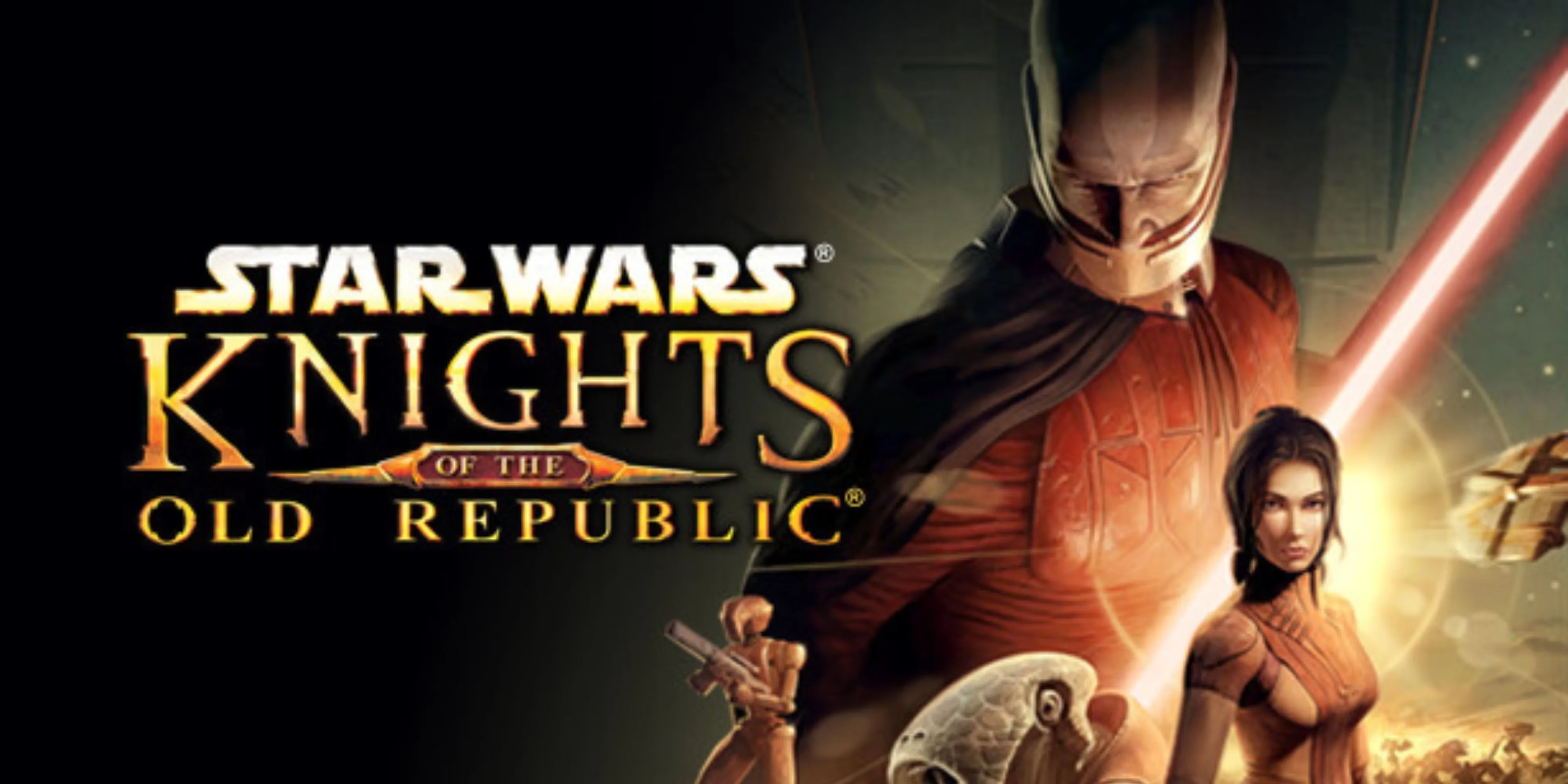
Seated on the iron throne of this list, however, is a game so legendary that even in 2026, developers still bow to its structural perfection. Star Wars: Knights of the Old Republic didn’t just present an open-world galaxy; it flung players headfirst into a moral vortex where every dialogue choice rippled across star systems. BioWare crafted an RPG that ages like fine Corellian whiskey, wrapping iconic planets in stories so reactive they felt alive. Becoming a Jedi wasn’t a cosmetic upgrade—it was a spiritual graduation that has yet to be matched, even by the valiant efforts of Respawn’s Jedi series. Taris, Tatooine, Kashyyyk—all these worlds held secrets that still feel fresh two decades later. The game cackles at the passage of time.
Let’s face it: 2026 might be packed with shiny new releases, but these movie-born open worlds still prowl the cultural zeitgeist like apex predators. They didn’t just adapt stories—they poured concrete foundations for entire genres and then dared anyone to improve upon them. Whether you’re chaining wand combos in a forbidden corridor or revving a war-rig across a dehydrated apocalypse, one thing is crystal clear—these games have devoured the past and are still hungrily eyeing the future.
Expert commentary is drawn from Digital Foundry, whose technical breakdowns help explain why these movie-born open worlds still feel “next-level” years later—whether it’s the scorching haze and sandstorm visibility in Mad Max, the dense foliage readability in Avatar: Frontiers of Pandora, or the fluid traversal clarity that makes swinging and sprinting through a city stay satisfying long after the film’s runtime ends.