 HogwartsLegacyZone
A Hogwarts Legacy sequel should prioritize a rich single-player RPG over risky live-service multiplayer, preserving the magic without endless monetization.
I’ve been thinking about Hogwarts Legacy again in 2026, and my take is simple: I want a proper single-player sequel before anybody tries to turn the Wizarding World into a live-service multiplayer thing. Hogwarts Legacy was a massive win. It was the best-selling game of 2023, and it kept that crown even with huge releases like Star Wars Jedi: Survivor and The Legend of Zelda: Tears of the Kingdom in the mix. That is not normal. That is a signal.
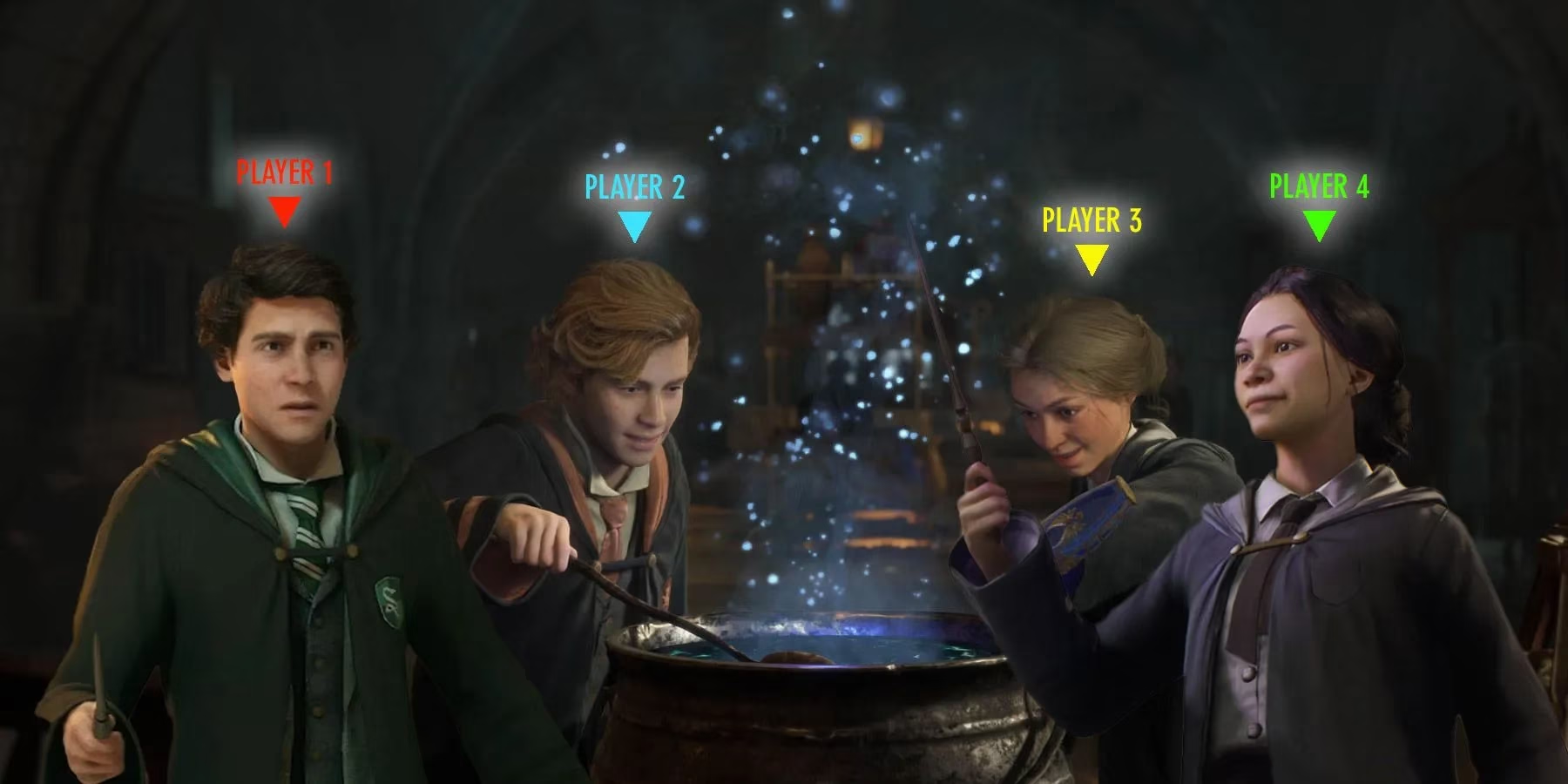
So yes, a sequel feels inevitable. But a multiplayer spin-off? That is where I pump the brakes. I’m not anti-multiplayer. I would love to wander the castle with a couple of friends. But the version of multiplayer that worries me is the big live-service version, the one with seasons, battle passes, endless content roadmaps, and retention charts. That is a very different beast from a great single-player RPG.
The industry spent years chasing Fortnite and Apex Legends, and every big publisher wanted a piece of that recurring revenue. I get it. Live-service can be enormously profitable if it works. But it does not work just because you want it to. Over the last few years, the live-service bubble has shown real warning signs. Knockout City and Rumbleverse were delisted and shut down. Those are not tiny failures in my book; they are reminders that players only have so much time and attention. The Last of Us multiplayer spin-off reportedly ran into trouble too, with Bungie allegedly asked to evaluate it and a major delay following. That was a warning. In 2026, I do not think the lesson has gotten any softer.
Here is the thing about Hogwarts Legacy: its strengths are not automatically live-service strengths. The world is lovely, the combat is satisfying, and exploration feels great, but those things work because they support a personal adventure. The game gave Avalanche Software a strong foundation for a sequel. It did not prove that the Wizarding World can sustain a seasonal multiplayer economy.
| Path | What it gets right | What worries me |
|---|---|---|
| Direct single-player sequel | Builds on the strong world, combat, and exploration from the first game | Needs a fresh story and meaningful new systems, not just more map |
| Full live-service spin-off | Could generate recurring revenue if it lands | Huge content cadence, monetization pressure, and retention risk |
| Small co-op multiplayer | Lets a few friends share the Wizarding World | Still needs careful scope and technical polish |
I know the multiplayer dream is tempting. A Hogwarts game where you and three friends attend classes, explore forbidden corridors, and get into trouble sounds amazing. But I would much rather see that as a smaller co-op experience with a low player count than as a giant live-service platform. Keep it simple. Let friends play together. Do not ask every player to log in forever.
A few reasons I feel this way:
-
🧙 The first game’s best moments are quiet, personal, and story-driven.
-
⚔️ Combat and exploration are satisfying foundations, but they are not automatically a live-service loop.
-
💸 A battle pass and endless seasonal updates would likely clash with what many Potter fans want.
-
🛠️ A smaller co-op mode with a low player count is a much safer experiment.
Avalanche and Warner Bros. should hold off on the big multiplayer spin-off and see how the market settles over the next few years. Focus on a direct single-player Hogwarts Legacy sequel first. Build on the world, improve the story, add deeper systems, and give players another great adventure. Then, maybe, test a small co-op idea. I can wait. I just do not want to see a rushed live-service Hogwarts game get shut down before it ever finds its footing. Give me a great sequel first. That feels like the right magic trick.