 HogwartsLegacyZone
The Hogwarts Legacy sequel follows the Star Wars Jedi: Fallen Order blueprint: a hit debut, hungry fans, and a publisher poised to build a franchise.
Listen, I have stared into the gaming industry's crystal ball long enough to know that success is rarely a one-and-done deal. Back in 2023, Hogwarts Legacy barged into the room like a hippogriff at a tea party and refused to leave. It launched in February, it was absolutely everywhere, and by the time the year wrapped up it was still the best-selling game of 2023. In 2026, that fact still makes publishers sit up straight and ask, 'So... when is the sequel?'
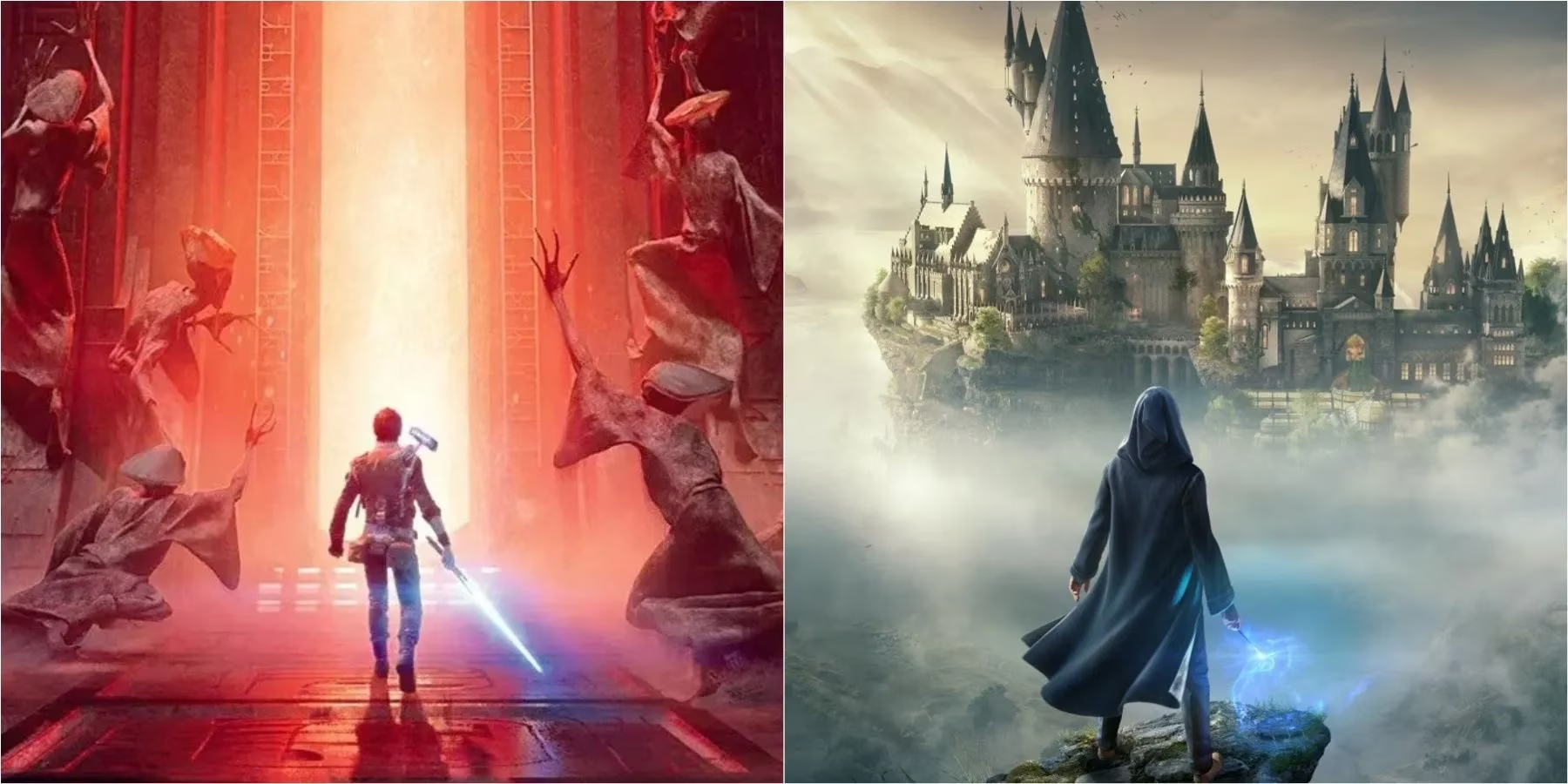
As of 2026, the Hogwarts Legacy sequel is still the big, glowing question mark in the Wizarding World's front yard. Publicly, there is no release date or official blow-by-blow; unofficially, the sequel chatter has moved from 'if' to 'when' with the speed of a Firebolt. And honestly? That is exactly where Star Wars Jedi: Fallen Order found itself after 2019. The comparison is so tidy I could sort it into house points.
The Jedi: Fallen Order blueprint
When Star Wars Jedi: Fallen Order hit shelves in November 2019, it got a healthy reception from fans and critics alike. A Star Wars Soulslike from Respawn Entertainment sounds like a natural recipe for success now, but plenty of fans were skeptical before launch. EA's Star Wars track record had been... let's call it 'a bit wobbly.' Yet Jedi: Fallen Order was a great game, and though it had some significant technical issues at launch, most people were happy to overlook them because the core fantasy was so strong.
The timing felt downright magical. The first episode of The Mandalorian aired just three days before Jedi: Fallen Order launched, and together they felt like a new era for Star Wars. It was almost taken for granted that a sequel would arrive quickly. It did, eventually, with Jedi: Survivor in 2023. That is the blueprint: a well-received first swing, a hungry fanbase, and a publisher smelling a franchise. 🚀
Hogwarts Legacy is in the same boat
In 2026, Hogwarts Legacy still finds itself in an extremely similar spot. Many fans were excited before launch, but there was real skepticism too, mostly because the developer did not have a long track record with open-world RPGs. Then the reviews poured in, excitement hit a new height, and the game landed with a good critical reception across the board. Is it perfect? No. It has rough edges like a hippogriff's beak. But it is a great first go at a AAA RPG set in the Wizarding World, and it absolutely feels like a first go.
The sales story is the real eye-opener. Despite Zelda: Tears of the Kingdom, Diablo 4, Starfield, and Baldur's Gate 3 all launching in 2023, none managed to reach the same sales heights as Hogwarts Legacy. It finished 2023 as the best-selling game of the year, and the Switch version landed on November 14, 2023. By 2026, the port is old news, but the sales legacy is not. When a game becomes that kind of overt hit, a sequel is not a matter of if. It is a matter of when.
Why the sequel is a no-brainer
Here is the short version, served with a butterbeer:
-
The fanbase is enormous. The Wizarding World has nostalgia, books, movies, merch, and a million people who will argue about their Hogwarts house until the sun burns out.
-
The first game built a foundation. It nailed the fantasy of being a student, exploring the castle, and slinging spells. Sequels feast on foundations like that.
-
Jedi: Survivor proved the model. Respawn tightened combat, expanded traversal, and gave fans more of what they loved. A Hogwarts Legacy sequel could do the same with deeper school life, better companions, richer quests, and combat with more bite.
-
The money talks. In the games industry, a best-selling game is basically a giant neon sign that says 'make more of this, please.'
What the sequel needs to learn
I love Hogwarts Legacy, but I am not going to pretend it is flawless. The sequel should learn from the first game's rough patches:
| Area | What the first game did | What the sequel should do |
|---|---|---|
| Open world | Gorgeous but checklist-heavy | Fewer icons, more handcrafted secrets |
| Student life | Strong castle fantasy | Deeper schedules, friendships, consequences |
| Combat | Fun spell combos | More enemy variety and smarter encounters |
| Performance | Some launch quirks | Polish it until it shines like a polished Snitch |
| Side content | Merlin Trials, we hardly knew ye | More meaningful side stories, less busywork |
That last one is important. I can hear the collective groan about Merlin Trials from here, and I am not even in the same room. A sequel should keep the magic, trim the filler, and make the Wizarding World feel alive rather than like a very pretty to-do list.
The 2026 verdict
So, what is the verdict? Hogwarts Legacy and Star Wars Jedi: Fallen Order are two peas in a very expensive pod. One already got its sequel and proved the model. The other is sitting on a pile of gold like a dragon who just discovered quarterly earnings. In 2026, the only real question is not whether Hogwarts Legacy gets a sequel, but whether it can stick the landing when it does. The first game was a great opening chapter. The sequel needs to be the Empire Strikes Back of wizard school RPGs, not the Phantom Menace of missed opportunities. And if it stumbles? Well, that is a problem for future me and my backlog. 🧙♂️